Today is Rohingya Genocide Remembrance Day
[CW: the photographs at the end of this article are disturbing; they show people under extreme distress, mass imprisonment, mass displacement—and one shows death]
On 25 August 2017, the genocide and mass displacement of the Rohingya people from their homeland in Arakan entered its deadliest phase, which continues to this day. Six-thousand and seven hundred Rohyingya’s were killed in the month from 25 August to 25 September 2017.
It is estimated that, overall, around 25,000 Rohingya people have been killed, 18,000 Rohingya women and girls subjected to sexual violence, 116,000 Rohingya’s beaten, and 36,000 thrown into fires.1 And it isn’t over yet.
Rohingya Muslims have been persecuted in Myanmar since at least the 1970s, but in 2016 a ‘military crackdown’ became the first distinct phase of genocide.
To date over one million Rohingya have fled to other countries, most across the border to Bangladesh, creating the world’s largest refugee camp, in Cox’s Bazar.
Anowar Sadak lives in the camp, using his writing as a tool to remain hopeful and retain cultural memory, teaching young Rohingyas, and raising awareness of his people’s plight. He writes:
Nine years ago, we fled Arakan carrying little more than our lives and our memories. Today, millions of Rohingya remain refugees, still waiting for the day when we can safely return to our homeland with dignity, rights, citizenship, and security.
We did not leave our home to build a life in exile. We left to survive.
Nine years later, our hope remains unchanged: Repatriation. Return. Home.
The Rohingya crisis has not ended simply because years have passed.
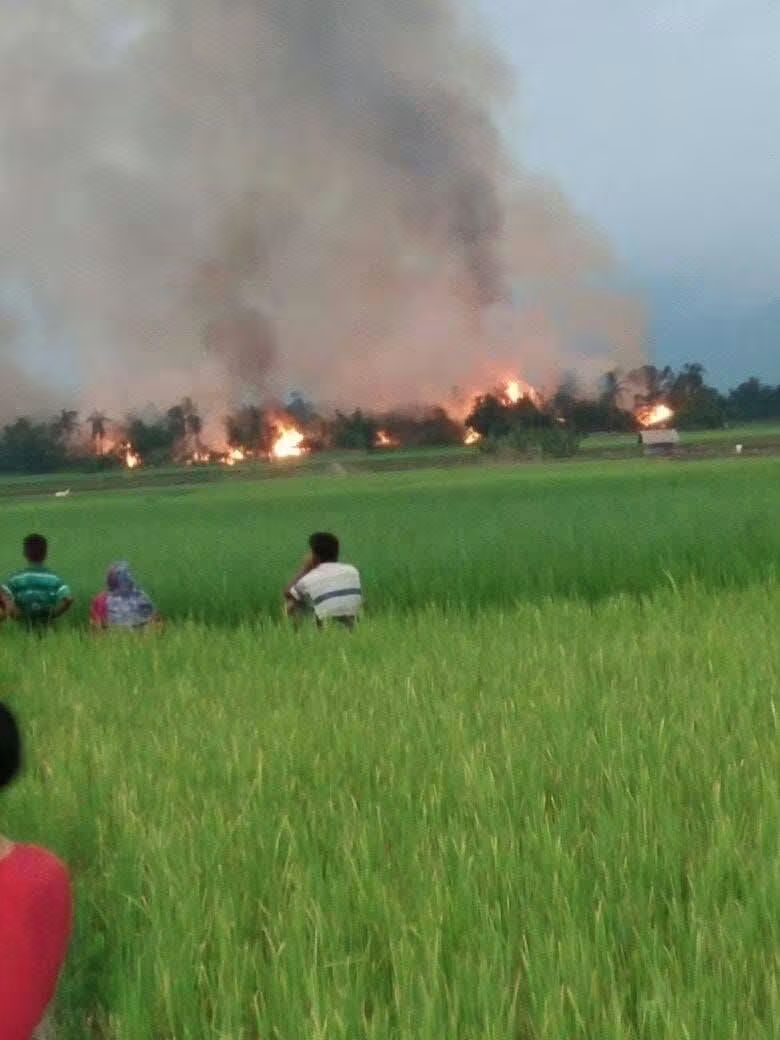
I am sharing some photographs related to 25 August 2017. I hope they can help tell a small part of what our people experienced and why this day remains a day of remembrance, mourning, and hope for the Rohingya community.
Please help us keep the memory alive and make sure the world does not forget.
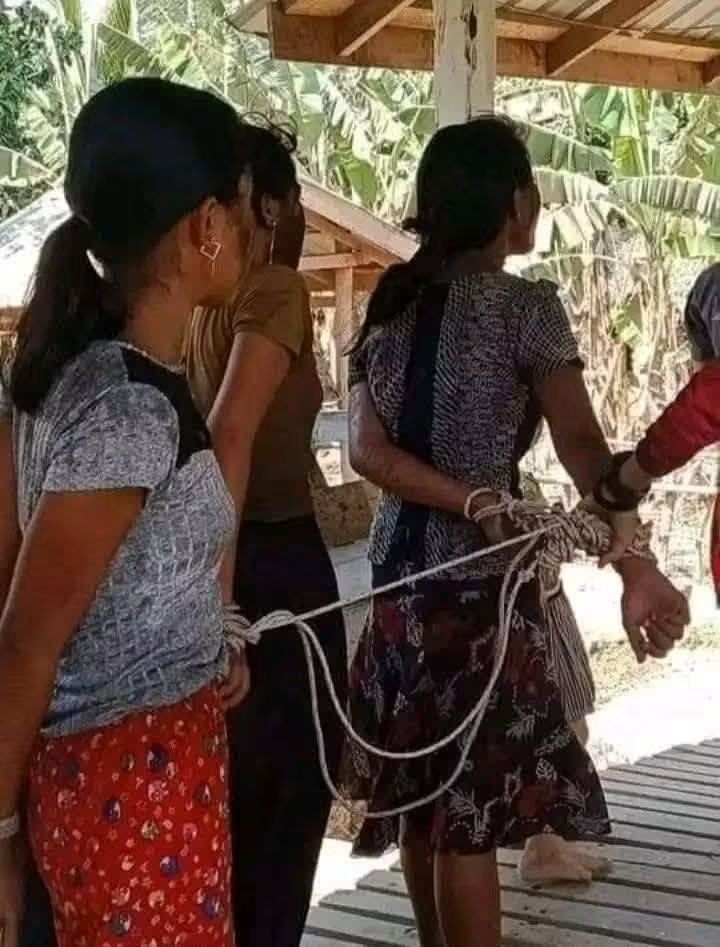
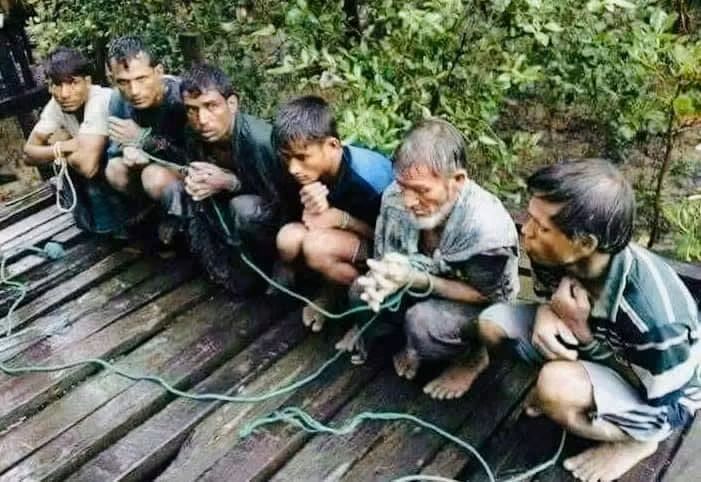
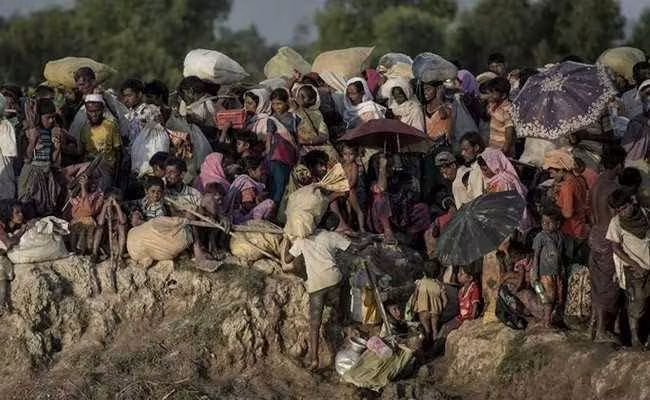
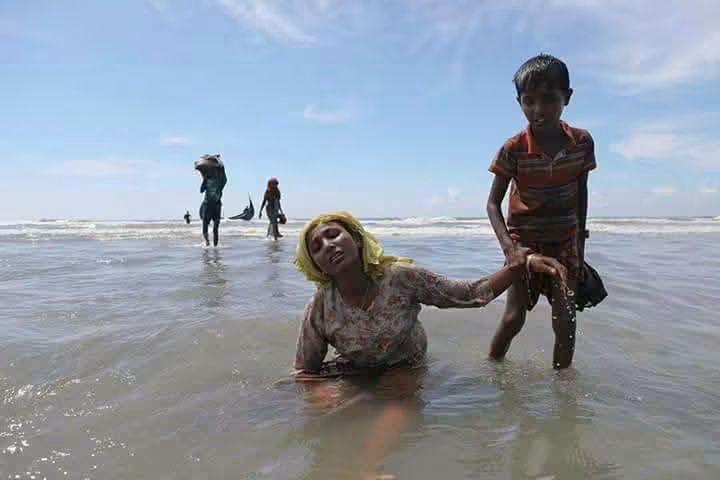
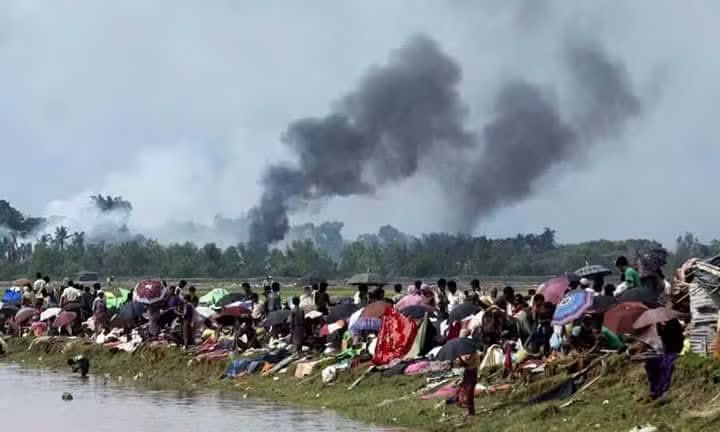
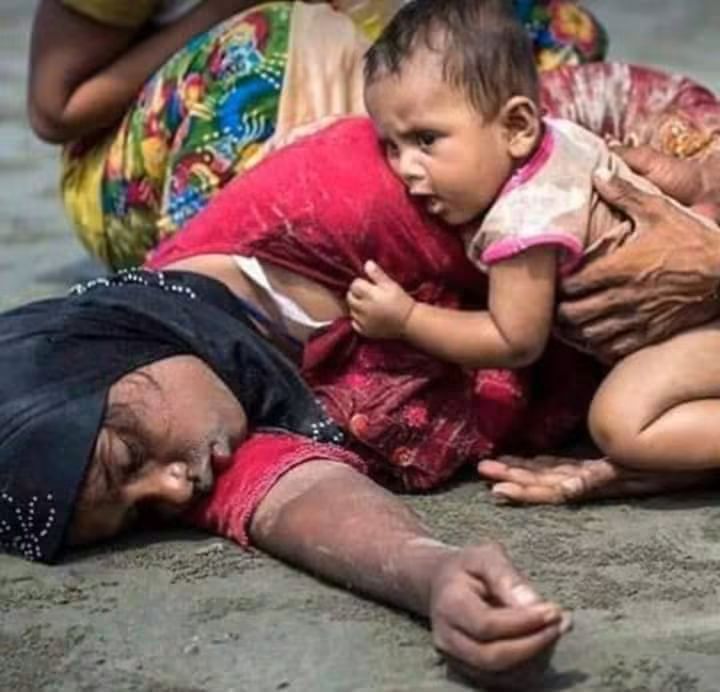
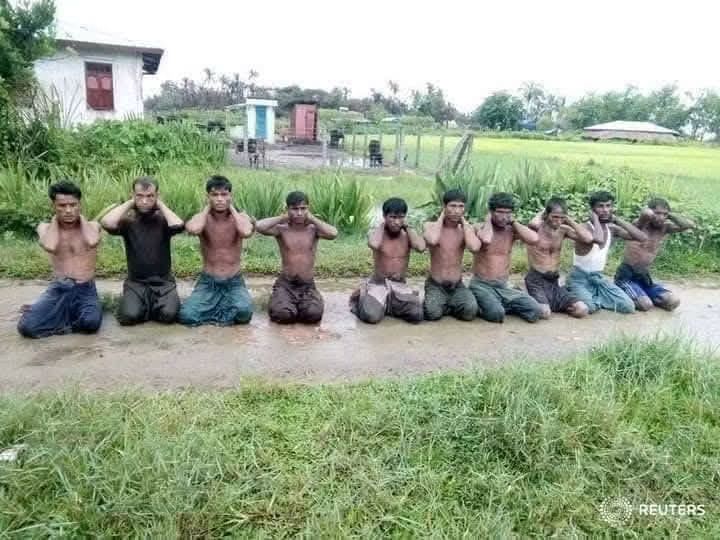
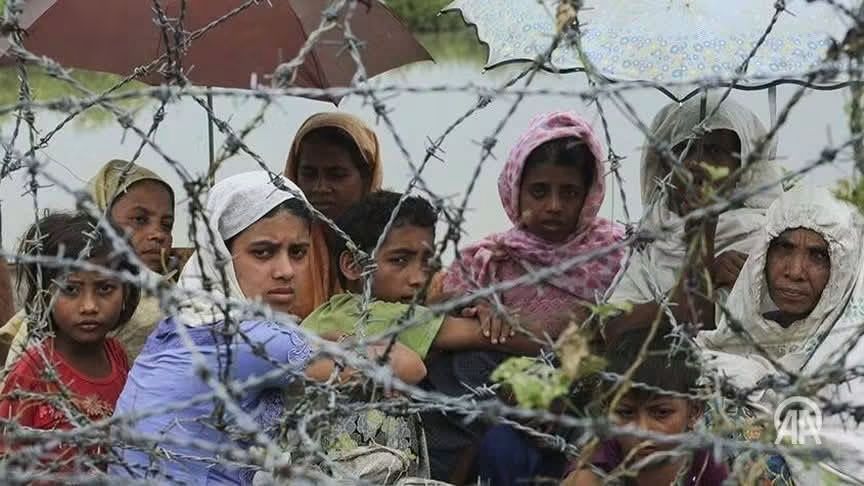
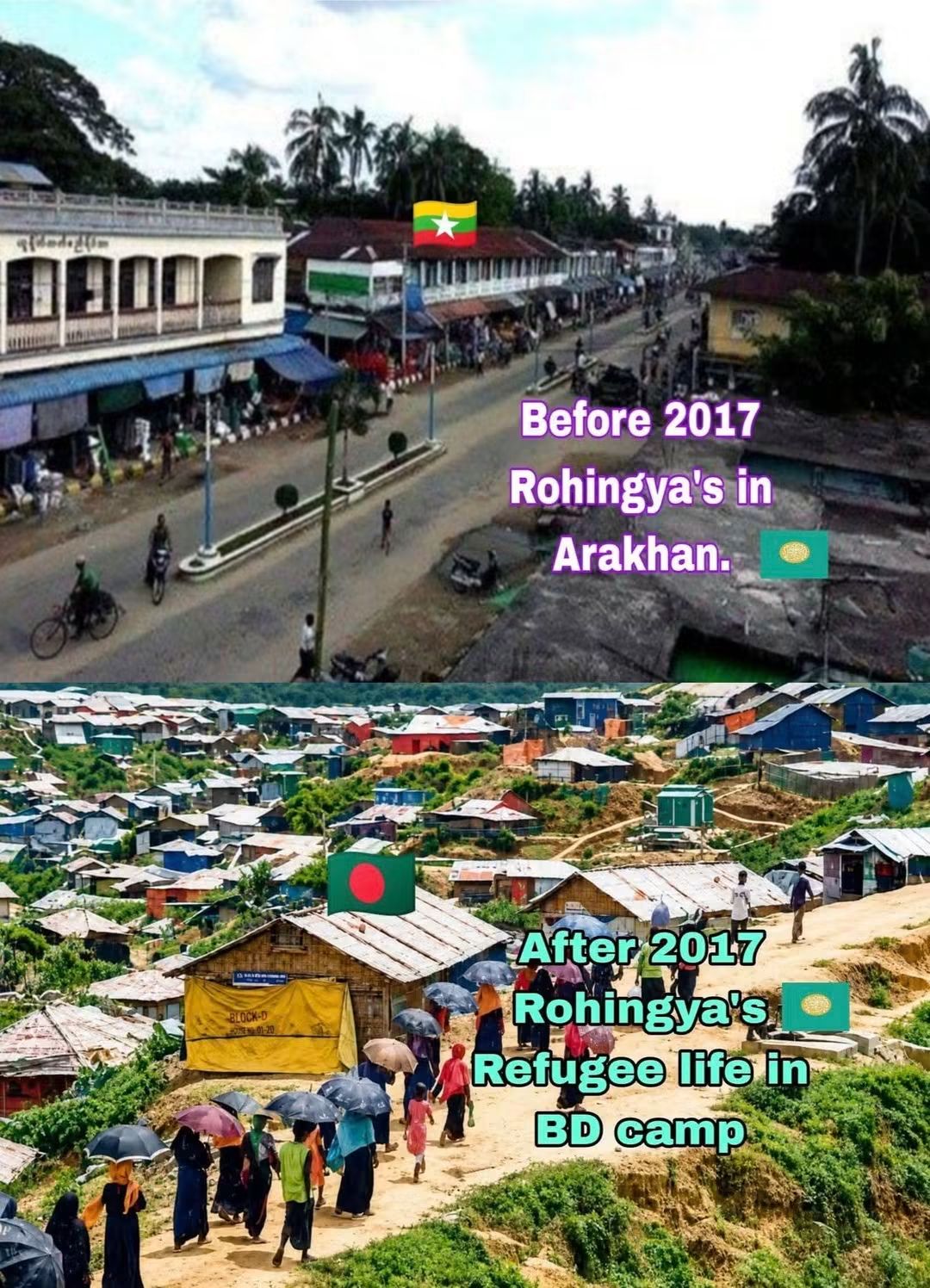
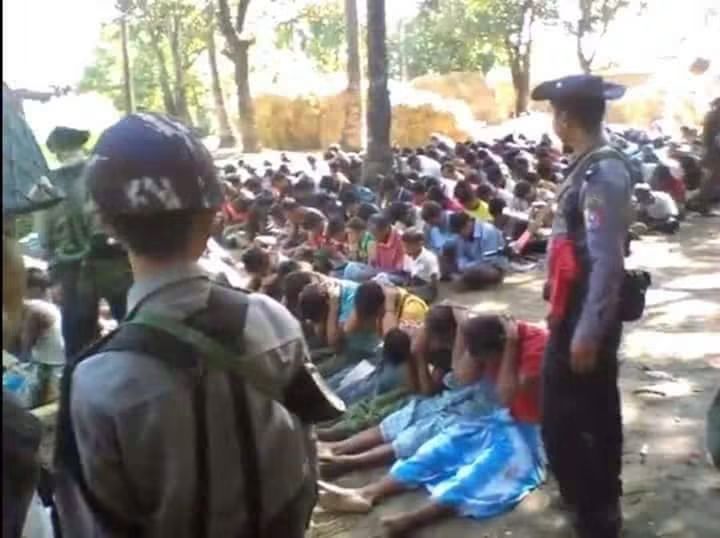
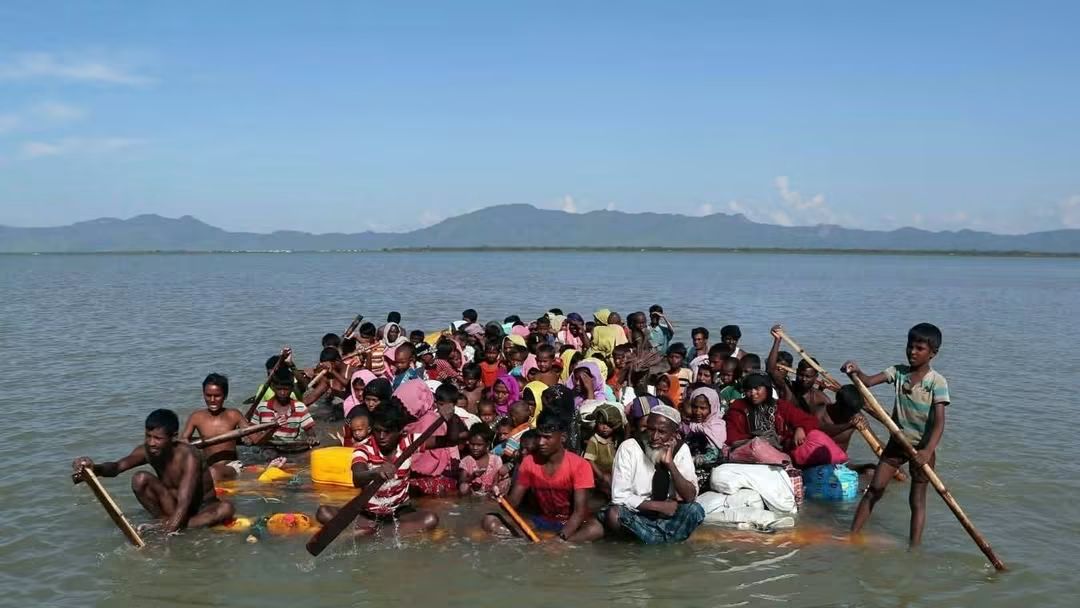
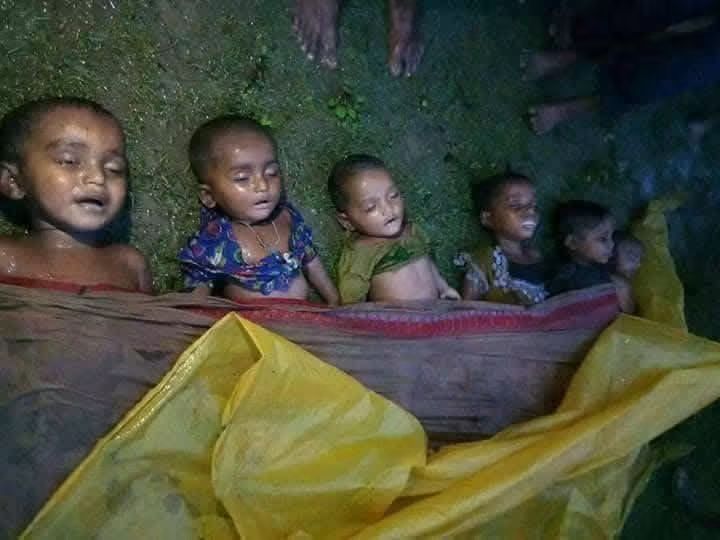
All photos supplied by Anowar Sadak.


Leave a Reply