How would you describe yourself?
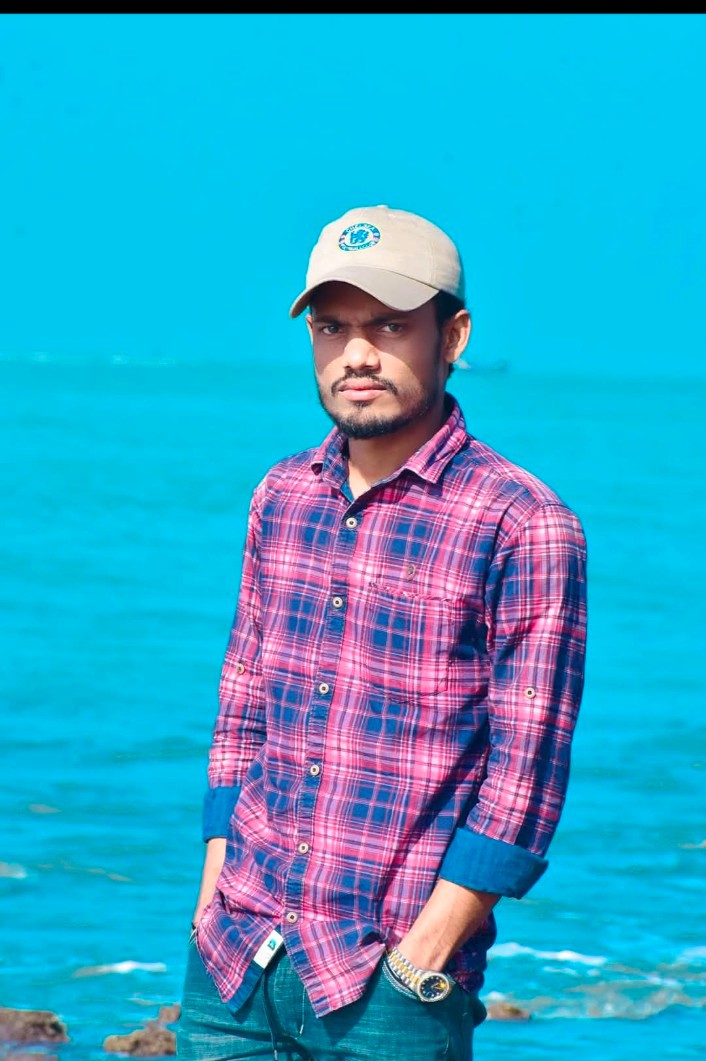
I am a Rohingya writer, storyteller, genocide survivor, learner and community-focused content creator from Maungdaw, Arakan State, Myanmar. I am someone who refuses to give up despite difficult circumstances.
I was born in Dhonkhali village in Maungdaw Township, Arakan State, Myanmar. I grew up experiencing discrimination, insecurity, and restrictions that affected many parts of Rohingya life, including education and freedom of movement.
In 2017, when the violence became unbearable, I was forced to leave my homeland and flee to Bangladesh with other Rohingya people. I have lived as a refugee since then.
Writing has become one of the most important ways for me to express what I have experienced and what I see happening around me. I write about Rohingya history, displacement, refugee life, education, human rights, memories, faith, hope, and the struggles of ordinary people.
What would you say is your main identity?
My main identity is Rohingya. I am also a writer and advocate for education, human dignity, peace, and a better future for displaced people.
I don’t want my identity to be defined only by suffering. I also want to be known as someone who dreams, learns, creates, and tries to build something positive for the future.
Being Rohingya is an important part of who I am because my people have experienced decades of discrimination, statelessness, displacement, and violence. I believe our stories deserve to be recorded and heard, not only as stories of tragedy but also as stories of courage, education, culture, creativity, and hope.
I want to use my voice to help preserve our history and culture and to encourage young Rohingya people to believe that their future can be different.
Who are some of your role models, people you respect and learn from? Why?
My first role models are the people around me who continue to live with dignity despite hardship, especially my mother (my ummi) and other members of my family.
I also respect teachers, humanitarian workers, writers, journalists, activists, and young people who continue working for education, peace, justice, and human rights even when their circumstances are extremely difficult.
I learn from people who turn their own struggles into something useful for others. Their example reminds me that even when one person has very limited resources, they can still make a difference through knowledge, kindness, courage, and persistence.
My faith is also an important source of strength for me. Islam teaches me patience, compassion, responsibility, and hope. I try to bring these values into my writing and my work.
What are 3 main projects or goals you’re focusing on at the moment?
i. Writing and documenting Rohingya stories
I want to continue writing articles, personal stories, poetry, memories, and educational pieces about Rohingya life. I want to document stories that might otherwise be forgotten and help people outside the Rohingya community understand our experiences.
ii. Building digital projects for Rohingya education and culture
I am exploring websites, applications, and AI-powered digital projects that could support Rohingya education, language, culture, and young people. One of my goals is to make useful educational resources available in languages that Rohingya children and families can understand.
iii. Creating sustainable work that can help others
I want to build online projects through writing, websites, social media, educational content, and digital products. My long-term dream is to create a sustainable source of income that allows me to support myself while also helping people in my community who have even fewer opportunities.
Tell me a little more about one of your projects.
The project closest to my heart is building digital educational and cultural resources for Rohingya people.
Many Rohingya children grow up in difficult circumstances, especially in refugee camps, where educational opportunities and resources can be limited. I want to use technology and AI to create simple and accessible learning resources for children and young people.
I am particularly interested in creating educational content in Rohingya alongside English and Bengali, so that children can learn in a language they understand while also developing skills that can help them connect with the wider world.
I am also interested in preserving Rohingya culture, language, stories, poetry, songs, and memories digitally. I believe technology can become a tool for preserving a culture that has faced displacement and enormous challenges.
My goal is not simply to create an app or website. I want to create something that has a real purpose and can continue helping people in the future.
What are 3 achievements you’re proud of?
i. Continuing my education despite displacement and difficult circumstances.
Education has always been extremely important to me. My educational journey was interrupted by conflict and displacement, but I have continued trying to learn through whatever opportunities I can find.
ii. Using writing to tell Rohingya stories.
I am proud that I have continued writing and sharing stories, articles, poems, quotes, and reflections about Rohingya life. Writing gives me a way to speak when many people from my community do not have the opportunity to speak publicly.
iii. Working to create opportunities for others through digital projects.
I am proud of my efforts to explore websites, educational applications, AI tools, social media, and other digital platforms that could eventually benefit Rohingya young people and communities.
Tell us more about one of your achievements.
I am especially proud of continuing to write.
For me, writing is more than a hobby. It is a responsibility.
When I write about Rohingya life, I am thinking about the people whose stories may never reach the outside world. I think about children who have grown up in refugee camps, families separated by displacement, people who lost their homes, and young people who still dream of education and a peaceful future.
I want to document both the pain and the hope.
I want future generations to know what happened to our people, but I also want them to know that Rohingya people are more than victims. We are students, teachers, writers, farmers, artists, parents, children, dreamers, and human beings with talents and ambitions.
If my writing can help even one person understand the Rohingya experience better, I consider that meaningful.
What if people want to get in touch with you?
I am happy for people who are interested in my writing, Rohingya stories, education, humanitarian issues, or digital projects to get in touch with me.
They can contact me through my website and social media platforms.
My writing and projects can be found here:
https://anowarsadak.wordpress.com
I am also happy to connect with writers, educators, researchers, humanitarian workers, supporters, and anyone else who genuinely wants to learn more about Rohingya people and contribute positively.
How can people support your work?
My long-term goal is to create a transparent system where supporters can contribute to educational and community projects and clearly see how resources are being used. For now, the best place to learn about my work and projects is my website.
Is there anything else you’d like to add?
I would like people to understand that behind every refugee statistic is a human being with a name, a family, memories, talents, and dreams.
The Rohingya crisis is often discussed through numbers: how many people were displaced, how many live in refugee camps, how many homes were destroyed, or how many people crossed a border. These numbers are important, but they do not tell the whole story.
I want my writing to bring the human stories behind those numbers to the world.
I also want to say that I am not looking only for sympathy. I want opportunity.
I want the opportunity to learn, work, create, write, build digital projects, and contribute something meaningful to society. I believe many young Rohingya people have the same desire.
My dream is to build a future where Rohingya children can have access to quality education, where our language and culture are preserved, where young people can develop their skills, and where displaced people can live with dignity and hope.


Leave a comment