
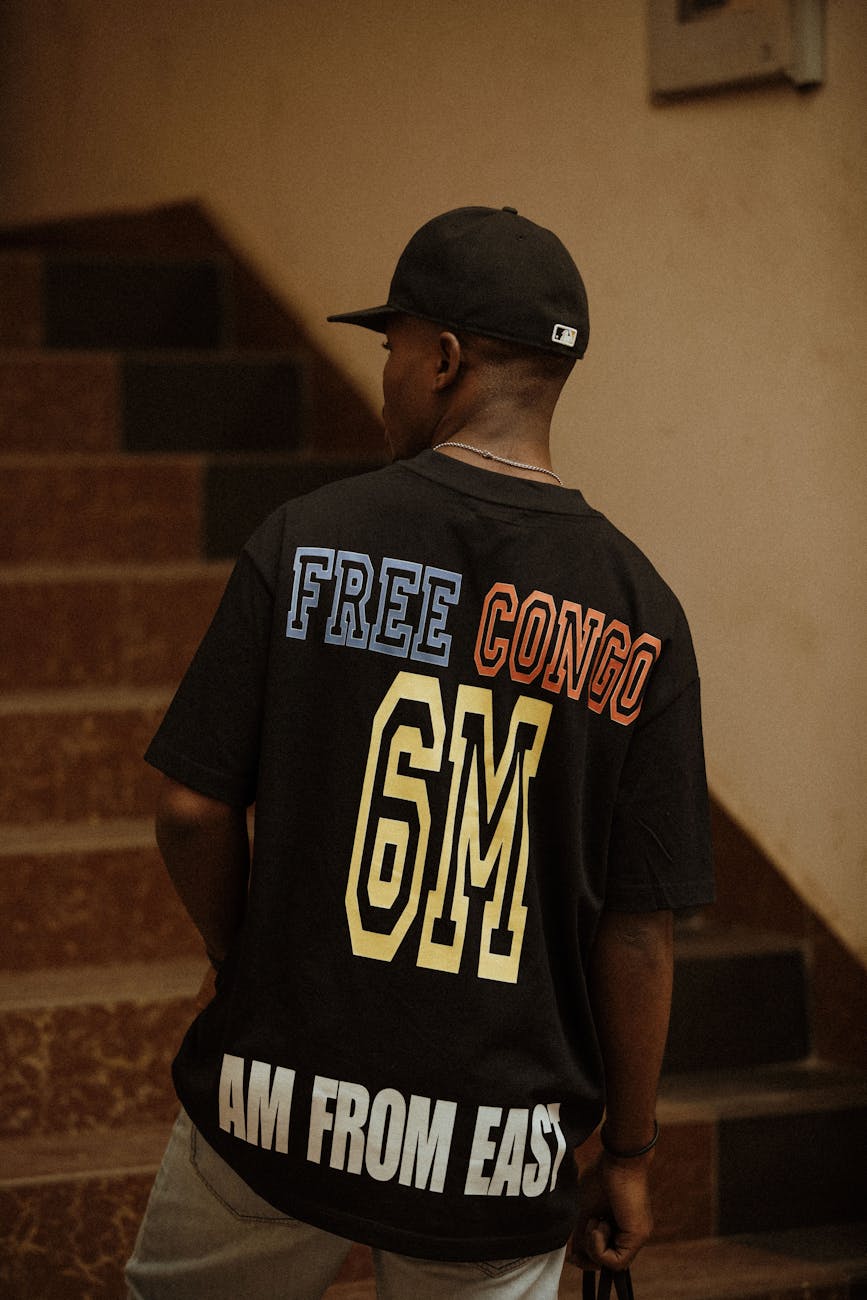
By Elijah Astute
reporting from Nakivale Refugee Settlement, Uganda
Introduction
For nearly three decades, the eastern provinces of the Democratic Republic of the Congo (DRC) have been engulfed in a cycle of violence that has claimed six million lives — making it the deadliest conflict since World War II. What began as a spillover from the Rwandan Genocide has morphed into a complex war fueled by ethnic rivalries, foreign interventions, and the ruthless scramble for the Congo’s vast mineral wealth.
Today, as fighting between government forces and rebel groups like M23 intensifies, thousands more are being killed or displaced, with over a million refugees fleeing to neighboring Uganda. Meanwhile, global powers — particularly China — are deepening their economic and military involvement, turning the DRC into a battleground for geopolitical influence.
This is the story of how the Congo’s tragedy unfolded — and why peace remains elusive.
Roots of the Conflict:
The Rwandan Genocide and
the First Congo War (1994–1997)
The conflict’s origins lie in the aftermath of the 1994 Rwandan Genocide, where Hutu extremists slaughtered an estimated one million Tutsis and moderate Hutus. When the Tutsi-led Rwandan Patriotic Front (RPF) took power, two million Hutu refugees fled into eastern DRC, including militants who regrouped as armed factions.
Rwanda, fearing cross-border attacks, invaded in 1996 with Ugandan and Angolan support, toppling dictator Mobutu Sese Seko and installing rebel leader Laurent Kabila as president. But the war was far from clean: massacres of Hutu refugees by Rwandan troops and allied militias left countless dead, foreshadowing decades of brutality.
The Second Congo War (1998–2003):
Africa’s “Great War”
Kabila soon turned on his Rwandan backers, expelling their troops and allowing Hutu militias to re-arm. Rwanda responded with a second invasion in 1998, this time backing rebel factions. What followed was a continental proxy war:
* Rwanda, Uganda and Burundi supported the anti-Kabila rebels
* Angola, Zimbabwe and Namibia propped up Kabila’s regime.
The conflict drew in nine African nations and dozens of armed groups, becoming the deadliest in modern African history. By 2004, over three million had died — mostly from starvation and disease.
Laurent Kabila was assassinated in 2001, succeeded by his son Joseph Kabila, who negotiated a fragile peace in 2003. But the underlying tensions never faded.
The M23 Rebellion and Rwanda’s Shadow War
In 2012, a new threat emerged: the March 23 Movement (M23), a Tutsi-dominated rebel group widely believed to be backed by Rwanda. After seizing parts of North Kivu, M23 was pushed back by a UN offensive brigade in 2013 — but not before exposing Rwanda’s continued meddling.
Despite repeated denials, UN reports and Western intelligence have confirmed that:
* Rwandan troops fight alongside M23
* Kigali supplies weapons and training
* DRC’s minerals fund the rebellion.
Today, M23 has resurged, capturing swathes of territory in 2023–2024 and displacing millions.
The Global Rush for Congo’s Minerals
The DRC holds 70% of the world’s cobalt, along with vast copper, gold and coltan reserves — essential for smartphones, electric vehicles and weapons. This has turned the conflict into a resource war:
* China Dominates — Chinese firms now control most of DRC’s mines, often through corrupt deals struck under Joseph Kabila.
* U.S. Left Behind — American companies sold off assets, leaving China with a near-monopoly on critical minerals.
* “Conflict Minerals” Fuel War — Armed groups profit from illegal mining, while child labour runs rampant.
China’s involvement goes beyond economics:
* Supplying drones and arms to DRC’s military
* Arming Uganda for cross-border operations
* Facing accusations of human rights abuses in mines.
Meanwhile, US sanctions on “conflict minerals” have done little to curb the violence — only limiting Western access.
A Bleak Present, An Uncertain Future
President Félix Tshisekedi, elected in 2019, inherited a nation still at war. Despite UN peacekeepers (MONUSCO) and regional diplomacy, fighting has only worsened:
* Massacres of civilians by militias
* Epidemics like ebola and cholera in displacement camps
* Over a million refugees in Uganda, including arrivals in Nakivale settlement.
Why Peace Fails
1. Foreign Interference — Rwanda and Uganda back rebels; China and the West pursue resources.
2. Weak Governance — Corruption and state collapse allow armed groups to thrive.
3. Ethnic Grievances — Unresolved tensions between Hutu, Tutsi, and local communities.
Without real accountability for war crimes, an end to foreign meddling, and fair resource distribution, the Congo’s suffering will continue.
Conclusion: The World’s Forgotten War
The DRC’s conflict is not just an African tragedy — it’s a global failure. While the world benefits from Congo’s minerals, few are willing to stop the violence that extracts them. Until that changes, the deadliest war of our era will rage on.
What can be done?
* Enforce arms embargoes on Rwanda and rebel groups
* Audit mining deals to cut off militia funding
* Support grassroots peace efforts led by Congolese civil society.
“The Congolese people deserve better than to be collateral damage in a war for resources.”


 Growing the future: ways forward, together
Leave a reply to J Perini Cancel reply