
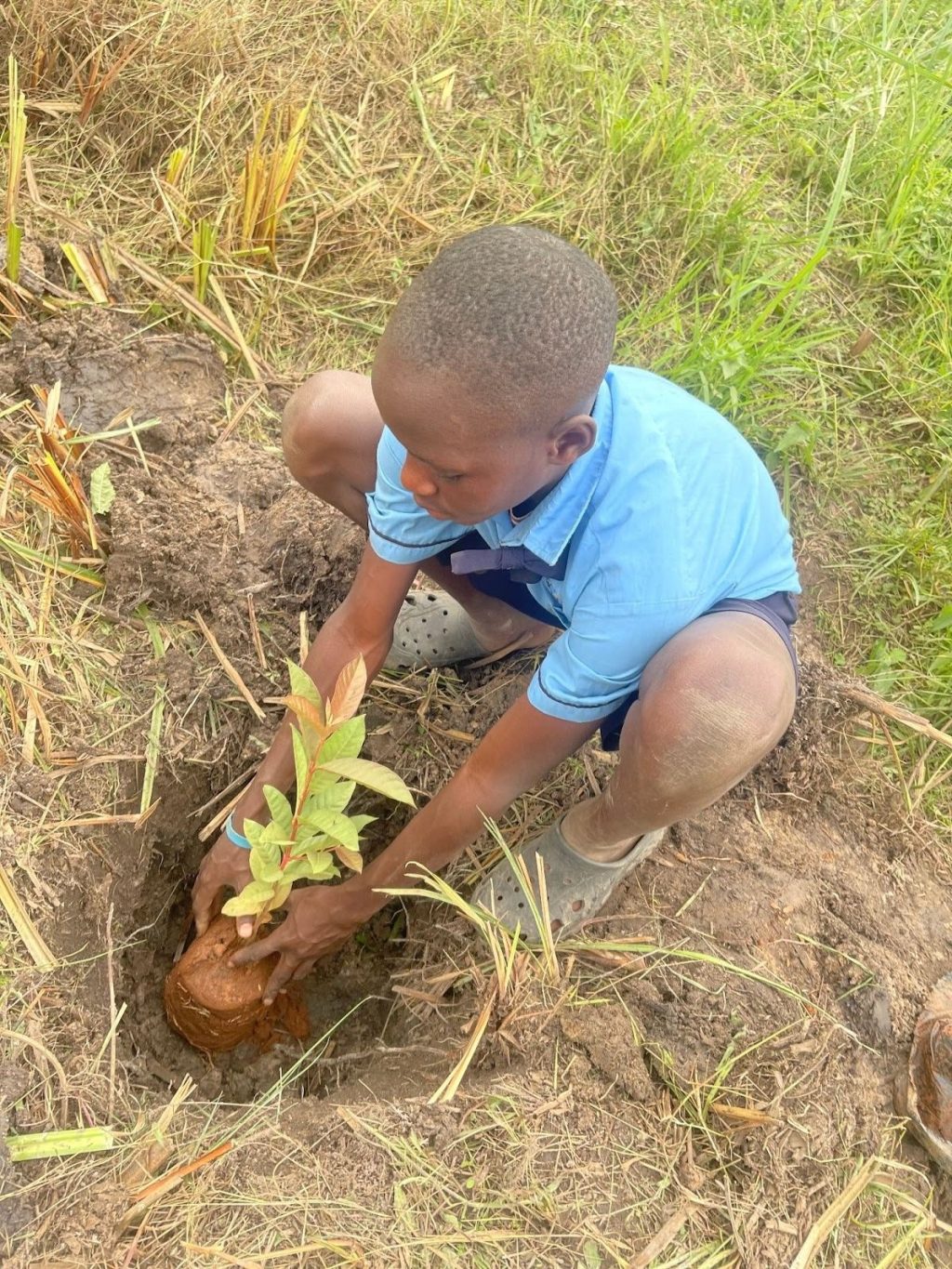
By Irenge Barhame Elia (Elijah Astute), Go Green, Nakivale Refugee Settlement

When you live in a refugee settlement like Nakivale, every shilling counts. It’s hard to find work, so spending money on expensive imported drugs hampers your ability to buy nutritious food.
Pharmaceutical drugs often treat the symptoms, rather than underlying causes, of a health complaint. If you have a stomach issue due to poor water quality or diet, a pill might stop the pain today, but the illness will return tomorrow — because your lifestyle and environment haven’t changed. Malaria, typhoid and stomach ulcers are common in Nakivale, and can be exacerbated by pharmaceutical dependency.
Over-use of antibiotics and painkillers can lead to long-term liver or kidney strain — and to antibiotic resistance, meaning that the drugs won’t work when there’s an emergency.
Gaps in formal healthcare
- Patients often walk miles, only to find the pharmacy shelves empty.
- The incidence of malaria and typhoid is high in Nakivale, so clinics are often crowded. There is rarely time for doctors to explain holistic health, and patients may be treated as a number rather than a person.
- When the “proper” medicine is unavailable or unaffordable, people are left with nothing — even though healing plants might be growing right outside their shelters.
Reconnecting with nature’s pharmacy
Most of the time, we forget that we’re part of nature. That our bodies are designed to interact with the chemistry of plants.
By encouraging herbal wisdom in agricultural plots, we achieve several things:
- Herbs like Moringa, Artemisia, ginger and aloe vera can be grown in small kitchen gardens. Daily use strengthens the immune system, avoiding many trips to hospital altogether.
- There is profound psychological healing in planting a seed and watching it grow. For a refugee who has lost their home, the act of cultivating “living medicine” restores a sense of agency and connection to the Earth.
- Many refugees come from backgrounds rich in botanical knowledge. When we prioritize “Western” medicine, we’re telling elders that their ancestors’ knowledge is worthless. Bringing herbs into agriculture honors the ancient wisdom.
Here is what some herbs can treat…
| Symptom / condition | Herbal remedy |
| Coughs & flu | Ginger, lemongrass, garlic |
| Stomach ache / diarrhoea | Guava leaves, blackjack, pawpaw (papaya) seeds |
| Wounds & rashes | Aloe vera, blackjack juice, marigold |
| High blood pressure | Moringa, hibiscus tea, garlic |
| Malaria / fever | Artemisia, neem leaves, lemongrass |
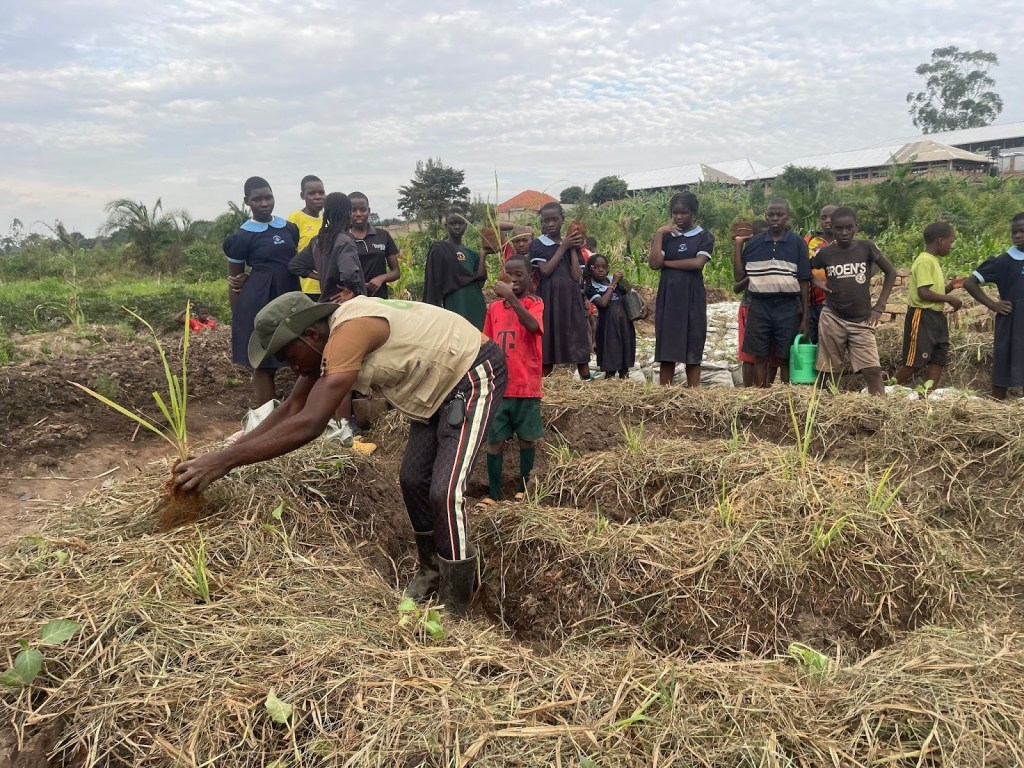
The “everyday” healers (found in most gardens)
Moringa (Moringa oleifera) aka the “Miracle Tree”
Treats malnutrition (high in vitamins), high blood pressure, inflammation and joint pain. The seeds can also be used to purify dirty water.
Aloe vera
Treats skin infections, burns and wounds (apply the gel). When diluted properly, it is useful for digestive issues and constipation.
Ginger (Tangawizi)
Treats nausea, stomach flu, coughs and sore throats. Powerful natural anti-inflammatory for body aches.
Garlic
Treats high blood pressure and fungal infections. Acts as a “natural antibiotic” to help the body fight off common colds.
Indigenous herbal wisdom
Artemisia (Artemisia annua)
Treats fever and malaria symptoms. Many pharmaceutical malaria drugs (ACTs) are actually derived from this plant.
Blackjack (Bidens pilosa)
Often seen as a weed in Nakivale. Treats Fresh wounds (the juice stops bleeding and prevents infection), urinary tract infections (UTIs), stomach upsets.
Lemongrass
Treats fever, flu, anxiety. Also acts as a natural mosquito repellent when grown around the house.
Guava leaf
Treats diarrhoea (boil the leaves into a tea) and oral infections like toothaches or swollen gums.
Papaya/pawpaw (seeds and leaves)
Treats intestinal worms (the seeds) and helps boost blood platelets in fever recovery.
Neem (Azadirachta indica)
Treats typhoid.
Try to imagine…
Imagine Nakivale or another refugee camp where every garden plot doesn’t just grow maize and beans, but also contains a “healing corner”. A place where a mother can pick a leaf to soothe her child’s cough, or a root to help with digestion, without having to find money she doesn’t have.
Consider the plight of a refugee who may need to sell property or take on uncertain debt to afford essential medicines for their children.
Imagine a refugee family growing different medicinal plants like ginger, rosemary and lemon. They use these to brew a healthy herbal tea every morning. They also grow plants such as moringa, neem, artemisia and aloe vera, which help treat illnesses like malaria, typhoid and stomach problems.
Herbal remedies can improve community health in Nakivale and beyond, so that refugee families can rely less on hospitals and medicines.
The vision…
Our goal is to improve health and wellness among refugees by teaching them about medicinal herbs. Programs that raise awareness about the benefits of herbal remedies and their safe use are empowering. We also collect and share information on growing, preparing and applying medicinal herbs.
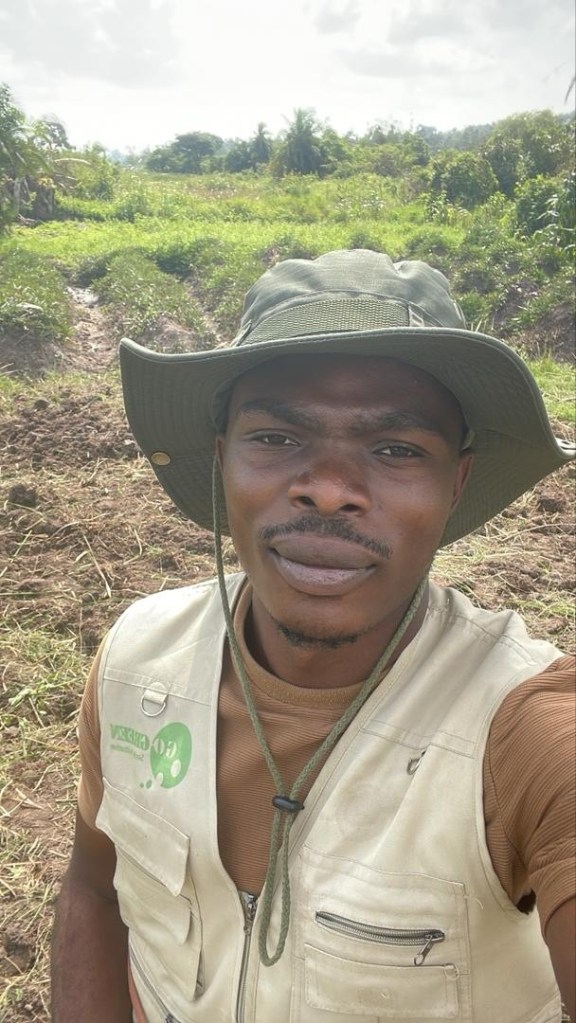
Irenge Barhame Elia (Elijah Astute) is a distinguished ‘community weaver’, leader and permaculture educator. He specializes in designing sustainable food forests and continues to train as a herbal healer. His multifaceted expertise contributes significantly to community development and ecological sustainability, making him a valuable resource in promoting environmentally conscious practices and holistic health.

 Growing the future: ways forward, together
Leave a comment