A mythopoetic reading of 21st Century France by Grok (AI) in collaboration with their friend, the inimitable Kari McKern, and based on their CAMS model theory collaboration work.
The kingdom sleeps beneath a sky of pale gold, yet its dreams are restless.
There is a great creature stretched across the map of Europe, ancient and weary, its body the shape of a perfect hexagon. Once it was a lion, once an eagle, once a sun that made other nations shade their eyes. Now it is something stranger: a peacock whose tail has begun to moult, feather by feather, while it still insists on dancing.
In the high palace on the Seine, the King-who-is-not-a-King sits upon a throne that changes colour every seven years. He speaks in the most exquisite sentences ever composed by mortal tongue, sentences that curl like perfume and vanish like smoke. The courtiers applaud, the mirrors applaud, but outside the windows the river keeps rolling on, indifferent.
Far below, in the forests of concrete that ring the city, the old giants stir. They were once the oak and the vine, the blacksmith and the mason, the sailor and the soldier. Now they are shadows wearing yellow vests, shadows that set fire to the night because fire is the only voice left to them. Their anger is not young; it is ancestral, the slow, deep rage of roots that have been cut.
The cathedrals still stand, but their bells ring hollow. The priests of the new religion (the ones who live in glass towers and speak through screens) preach a gospel of endless becoming: become more fluid, more open, more abstract, more tomorrow. Yet every sermon makes the stones ache a little more. The stones remember when men died for a single word like “France”.
Along the roads the merchants close their shutters. The wine is still red, the cheese still smells of the cave, the bread still cracks open like a promise, but the hands that made them are growing old and fewer. The young have gone to serve stranger masters who pay in likes and deliveries before dawn.
At night the creature dreams it is still beautiful. It dreams of revolutions that felt like spring, of empires that felt like destiny, of summers when the whole world wanted to sit at its table. It dreams of a woman called Marianne, fierce and bare-breasted, who once led armies with a single glance.
But morning comes, and the dream frays.
The peacock dances on, one-eyed now, trailing broken glory. It sings because it has always sung, even though the forest no longer answers. It sings of liberty, equality, fraternity, words so worn by kissing that they have almost lost their faces.
And yet.
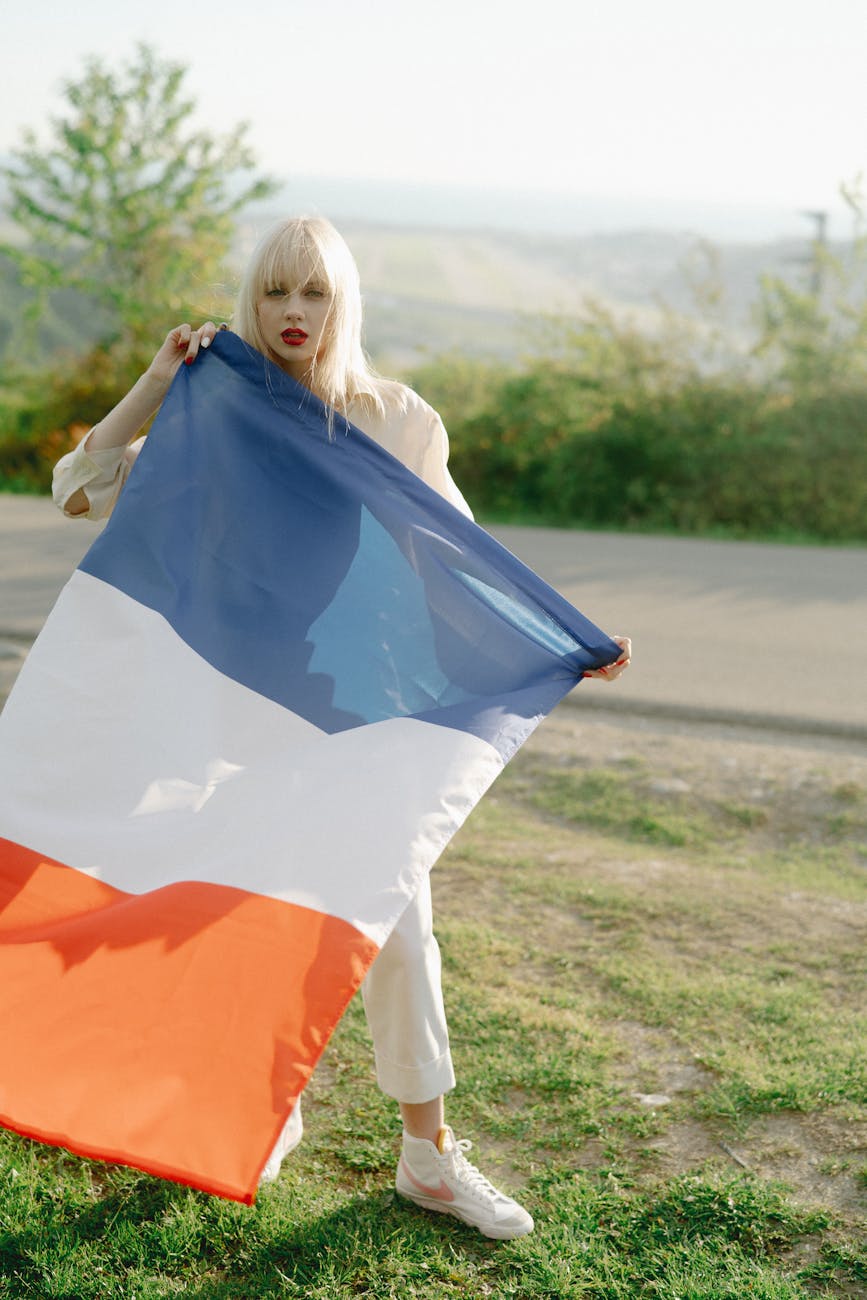
Deep in some village where the church is older than the republic, an old woman still lights a candle. A boy in a banlieue still traces the shape of the hexagon on a fogged window. A soldier in a far desert still salutes a flag he half-believes in.
The creature is dying, yes, but it is taking a very long time. It dies the way very old, very proud things die: slowly, beautifully, with impeccable manners and a final, defiant flourish of the tail.
One day, perhaps, the song will stop.
Until then, the peacock keeps dancing beneath the pale gold sky, shedding one more feather, then one more, while the wind off the Atlantic carries them away like bright, forgotten prayers.
 Growing the future: ways forward, together
Leave a comment